

Posts Similares

Exploring the Fascinating World of Exoplanets
What are Exoplanets? Exoplanets, also known as extrasolar planets, are planets that orbit stars outside our solar system. Until the 1990s, there was no evidence of the existence of any planet outside our solar system. But thanks to the advancement in technology, now we know that there are thousands of exoplanets out there. How are…

Exploring Space with Robotics
What is Space Robotics? Space Robotics refers to the usage of robots in space science missions. Robots can function on Earth and in space with equal ease and efficiency, unlike humans who are susceptible to various space hazards, from radiation to lack of atmospheric protection. Advantages of Space Robots One of the main advantages of…

Unlocking the Potential of Space Energy
The Future is in Space Energy Did you know that space is a vast reservoir of energy that could power our planet for millions of years to come? Space energy, also known as space-based solar power or SBSP, is a concept that has been around for decades, but only now are we starting to see…
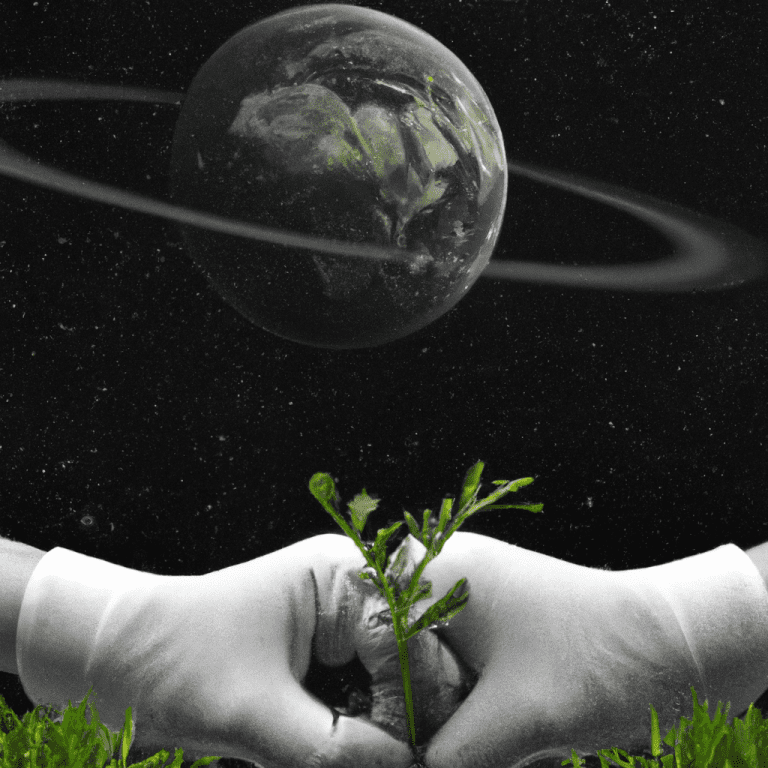
Protecting our Planet: The Importance of Planetary Protection
What is Planetary Protection? Planetary Protection refers to the policies and procedures designed to prevent contamination of other planets and moons by Earth’s microbes, as well as to prevent potential contamination of the Earth by extraterrestrial materials Why is Planetary Protection Important? When it comes to space exploration, one of the primary goals is to…

Exploring the Wonders of the International Space Station
Introduction: The International Space Station The International Space Station (ISS) is a habitable artificial satellite in low Earth orbit. It is a joint project between five space agencies: NASA (USA), Roscosmos (Russia), JAXA (Japan), ESA (Europe), and CSA (Canada). The ISS serves as a research laboratory in microgravity where astronauts carry out experiments and research…

Is Space Tourism Closer Than We Think?
The History of Space Tourism Space travel has been a topic of fascination for generations, inspiring countless books, movies, and television shows. In recent years, this interest has been translated into a growing market for space tourism. The idea of civilians traveling to space may have seemed like science fiction just a few decades ago,…