

Posts Similares
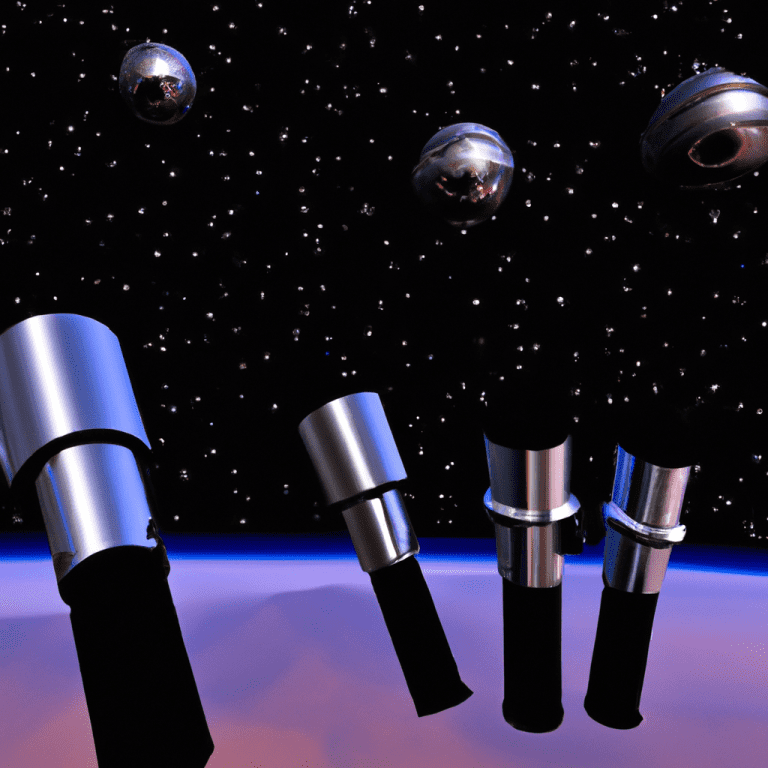
Revolutionary Space Telescopes
What are Space Telescopes Space telescopes are astronomical observatories that are stationed outside the Earth’s atmosphere and are designed to study various celestial objects. Unlike Earth-based telescopes, space telescopes can observe electromagnetic radiation that is absorbed by Earth’s atmosphere. The information gathered by these advanced instruments help astronomers to expand our understanding of the universe….

The Benefits of Space Exploration
Why We Should Continue to Explore Space Space exploration has been a topic of fascination for people all over the world for decades. From the first man on the moon to the discovery of exoplanets, space exploration has led to countless technological advancements and scientific discoveries. But why should we continue to invest in space…

The Future of Space Colonization
Introduction Space exploration and colonization have always been subjects of fascination for people. For centuries, scientists and visionaries have imagined what it would be like to live on other planets and explore the vast depths of space. In recent years, space exploration has become more feasible, and there are several initiatives that aim to make…

Exploring the Fascinating World of Exoplanets
What are Exoplanets? Exoplanets, also known as extrasolar planets, are planets that orbit stars outside our solar system. Until the 1990s, there was no evidence of the existence of any planet outside our solar system. But thanks to the advancement in technology, now we know that there are thousands of exoplanets out there. How are…

Exploring the Marvels of International Space Station
A glimpse into the International Space Station The International Space Station (ISS) is a marvel of human engineering and ingenuity. Launched in 1998, it is a space station in low earth orbit and serves as a habitable artificial satellite primarily designed for scientific research. The ISS is a collaborative effort between the United States, Russia,…

Unlocking the Potential of Space Energy
The Future is in Space Energy Did you know that space is a vast reservoir of energy that could power our planet for millions of years to come? Space energy, also known as space-based solar power or SBSP, is a concept that has been around for decades, but only now are we starting to see…